
A new tool from Syngenta could streamline the process for developing tank mix combinations and save turf managers valuable time in their efforts to control disease, weed and insect pests in golf course turf.
The company is advancing product development and customer support of its ATLAS (Application Technology Laboratory Automation System) robot that can mix and analyze hundreds of different tank mix options for effectiveness.
The ATLAS robotic system is designed to deliver faster insights into tank mix combinations in a timely manner by conducting 500 to 600 combinations per month, potentially saving superintendents months in trial-and-error work.
“Our ATLAS robot is our custom-built tank mix compatibility robot that we use for running all different types of compatibility tests with agrochemicals here at Syngenta,” said Ethan Foote, application specialist at Syngenta in a promotional video. “The ATLAS robot goes through the entire compatibility process from sample preparation, mixture, imagery, all the way through to sample analysis where it’s poured through spray filters that can determine the results.
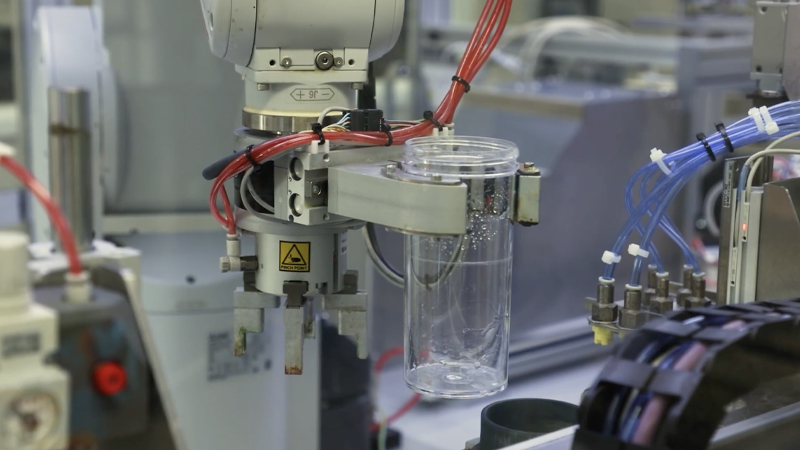
“The tank mix robot provides accurate, reliable data in a timely manner.”
The robot can go through the entire compatibility process, from sample preparation and mixture imagery to full sample analysis. By removing variability associated with manual assessments, ATLAS produces consistent, repeatable results that help guide product development and technical recommendations.
“We can do the work proactively and have answers ready, for our customers, and that eliminates the guesswork in terms of are they going to be compatible in the tank,” said Ram Ramalingham, group leader, Syngenta Application, in the video. “Is it going to be, creating a problem in terms of sedimentation, or will it plug any of the nozzles or filters and stuff like that? So, this automation capability gives us an advantage of looking at wide-use practices.”
ATLAS also tests for unexpected tank-mix challenges and can utilize customer-supplied water sources or adjuvants to recreate specific application conditions and assess issues around sedimentation and nozzle clogging. This allows Syngenta to better understand what is happening within the spray tank while building a database to support faster, data-driven troubleshooting.
The ATLAS robot goes through the entire compatibility process from sample preparation, mixture, imagery, all the way through to sample analysis where it’s poured through spray filters that can determine the results. . . . The tank mix robot provides accurate, reliable data in a timely manner.
“So, the data generated from the ATLAS robot goes into a large database that we’ve generated over the years of testing,” Foote said. “And the benefit of this is that we can go back and look at historical data to provide quick answers to growers or compare to previous products on the market so that we can confirm we’re producing quality products for our growers.”
Syngenta customers should reach out to their territory manager to access the ATLAS robot’s work.
“So, we focus on spray quality. We focus on how that droplet is going to be made, atomized from the nozzle,” said Ramalingham. “Is that going to be sticking to the target surface? Is it going to leave any residues? All those things are done in a very thorough systematic and scientific manner. So, we have data to prove that the product, when we say that it is ready for the marketplace, it’s actually going to perform to the expectation by our customers.”

